
Flat metal surfaces are famously frustrating to polish. Whether you’re working with aluminium, silver, steel or precious metals, achieving a flawless mirror finish without dips or ripples can feel impossible. Even the smallest scratch becomes glaringly obvious on a flat reflective surface.
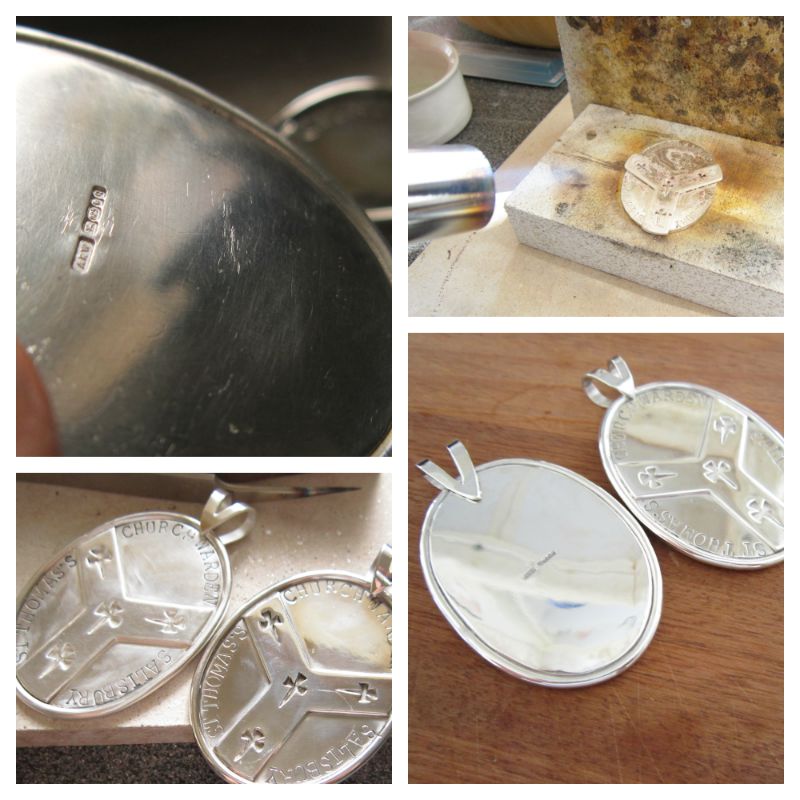
Recently, while making a pair of sterling silver medals, I decided to record the exact technique I use for polishing flat backs to a professional standard. This method is ideal if you regularly finish flat surfaces and want to save time – and tantrums.

For this demonstration, I used the Eneska 4-1 Micromotor System, which is incredibly powerful and versatile for precision metal polishing. This model is no longer available, but has been replace by the new and improved Eneska 600.
Why the Eneska?
-
Right-angle handpiece (JERA 270) for flat-surface preparation
-
Straight handpiece for final polishing
-
Excellent torque and control compared with pendant motors


Abrasives & Polishing Accessories Used
-
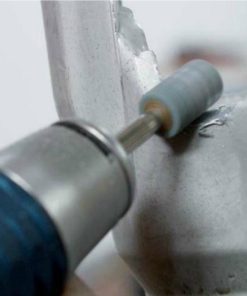
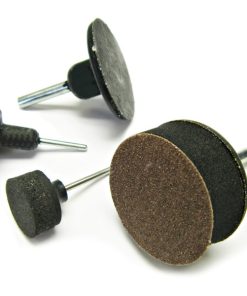
Self-adhesive disc holder for mounting abrasive discs
-
10mm Silicon Carbide (wet & dry) adhesive discs work through coarse to fine grades for best results
-
Mounted stitched mops for cutting and polishing with appropriate compounds
-
Cotton yarn mops for a final high polish

Mandrels, Pigtails & Tapers


Not everyone has access to a micromotor system, so here are my recommendations if you’re polishing flat metal using more standard jewellery workshop tools and rotary machinery:
1 - Start With The Flattest Surface Possible
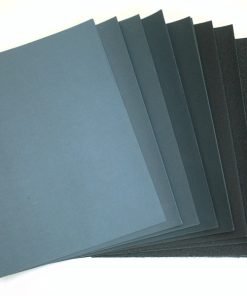
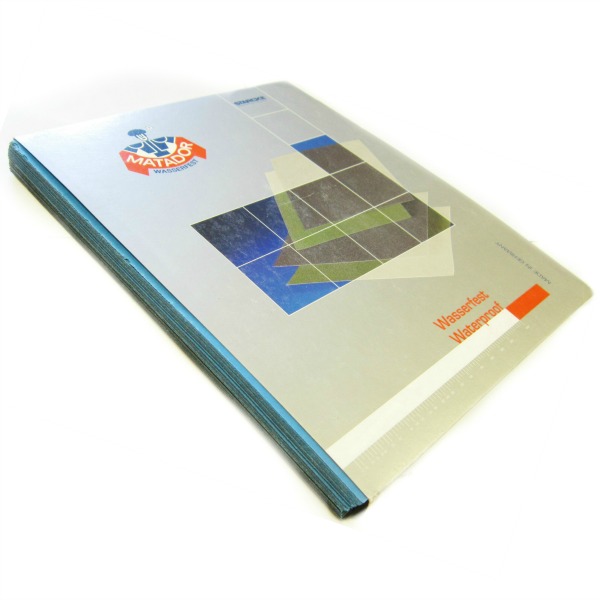
Use wet & dry abrasive paper on a perfectly flat backing (steel plate, glass, or a bench block).
Removing scratches at this stage prevents:
-
Dips
-
Low spots
-
Uneven reflections
This foundational step is crucial for a professional finish.
Abrasives
2 - Bristle Wheels for Detailed Areas
To avoid gouging or uneven areas, choose:
-
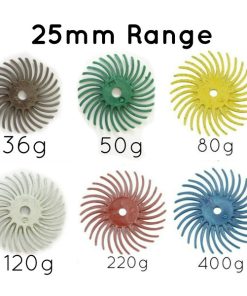
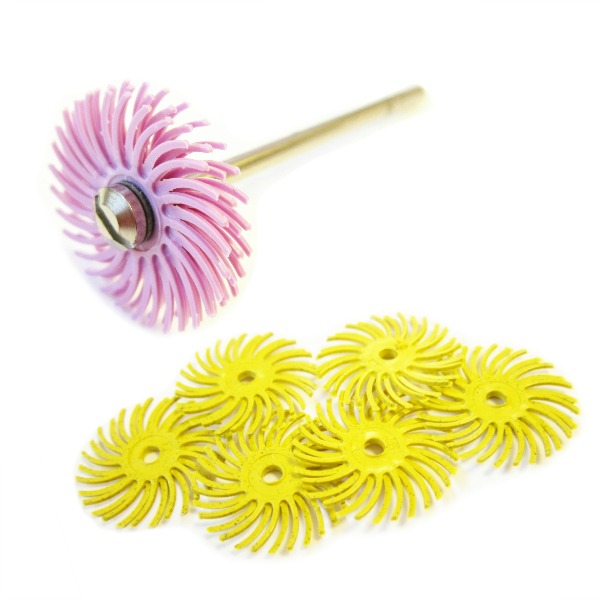
Traditional bristle wheels (hair/nylon/brass/steel)
These flexible abrasives blend marks without cutting harshly, making them ideal for decorative detail or inscriptions.

3 - Use a Bench Polisher for Large Flat Areas
If you’re polishing medals, plaques, watch backs, or bangles:
-
A bench polisher gives a faster, cleaner, more consistent finish
-
Micromotors and pendant drills can struggle to keep the surface perfectly flat
Even a small, good-quality bench polisher will significantly speed up the process, especially across larger areas.


Flat-surface polishing is one of the biggest challenges for jewellers, silversmiths, and metalworkers. The key is maintaining the integrity of the plane while gradually refining the surface. With the right abrasives, a controlled approach, and—if possible—good equipment like the Eneska 600, you can achieve a flawless finish without distortion.